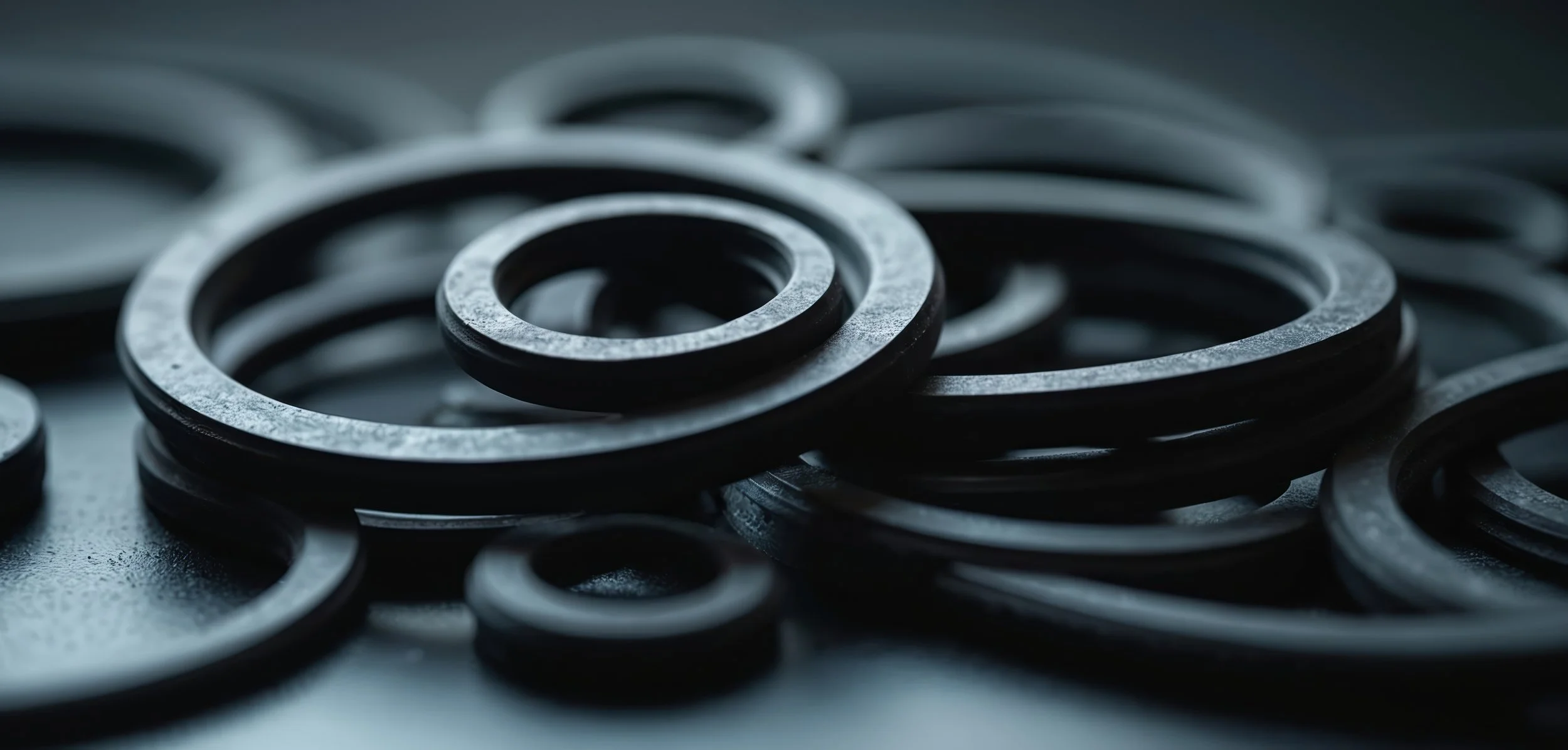
In high-volume manufacturing, a small missing component can create a much larger quality problem. For one leading rubber and plastics manufacturer, ensuring that metal inserts were present during O-ring production was a critical quality-control step. If an insert was missed, the issue could lead to defects, scrap, rework, and lost productivity.
To improve the reliability of this inspection process, the manufacturer partnered with Pieper Automation to develop an automated vision inspection system capable of verifying insert presence before molding.
The result was a customized machine vision solution that improved confidence in product quality, identified potential defects earlier in production, and integrated directly with the manufacturer's existing OMRON PLC platform.
The Challenge: Reliably Detecting Missing Inserts
The manufacturer's O-ring production process required metal inserts to be correctly positioned before molding. The challenge was consistently determining whether the required inserts were present in each cavity.
Missing inserts discovered later in production could result in rejected parts and unnecessary material and production costs. The manufacturer had attempted to develop an inspection solution internally but struggled to achieve the consistency the application required.
They needed a solution that could:
Verify the presence of metal inserts before molding
Reduce opportunities for incomplete assemblies to move through production
Improve overall product quality
Reduce potential scrap and rework
Integrate with existing machine controls
Remain manageable for the customer's engineering and maintenance personnel
The application required more than simply adding a camera. The right combination of machine vision technology, lighting, controls integration, and application testing was critical to achieving dependable inspection performance.
Developing the Right Machine Vision Solution
Pieper Automation began by evaluating the application and conducting proof-of-concept testing to determine whether automated vision inspection could reliably detect the required metal inserts.
This validation step allowed the team to evaluate specialized lighting and camera technology before moving forward with the complete system. Once the approach was proven, Pieper Automation designed and implemented a custom vision system capable of verifying insert presence within each cavity before the molding process began.
The completed solution included:
Application feasibility testing and proof-of-concept validation
Vision system design and engineering
Specialized lighting and camera technology
Automated inspection of metal insert presence
Integration with the existing OMRON PLC control platform
Installation, commissioning, and startup support
By integrating the vision system with the manufacturer's existing controls environment rather than introducing unnecessary controls complexity, the solution also supported easier long-term maintenance and troubleshooting.
Catching Quality Issues Before Molding
One of the most important aspects of the solution was when the inspection occurred.
Rather than discovering a missing insert after molding or later in the production process, the automated vision system verifies insert presence beforehand. This gives the manufacturer an opportunity to identify an incomplete assembly earlier, before additional production time and material are invested in the part.
Moving inspection earlier in the process helps manufacturers take a more proactive approach to quality control while reducing opportunities for defects to continue downstream.
The Results: More Reliable Automated Quality Control
The project successfully validated and implemented an automated inspection process for a challenging machine vision application.
With the system in place, the manufacturer gained:
Increased Confidence in Product Quality: Metal insert presence can be confirmed before molding, providing greater confidence that assemblies entering the next stage of production meet the required criteria.
Earlier Defect Detection: Potential problems can be identified before additional processing takes place, helping reduce opportunities for incomplete assemblies to move further through production.
Reduced Scrap and Reject Potential: By detecting missing inserts earlier, the manufacturer is positioned to reduce production defects and rejected products over time.
Simplified Controls Integration: Integration with the existing OMRON PLC environment reduced unnecessary programming complexity and made the new inspection system easier to support within the manufacturer's established controls architecture.
Why Proof-of-Concept Testing Matters for Machine Vision
Machine vision projects can be highly application-specific. Variables such as lighting, camera selection, part presentation, materials, production speed, and the characteristics of the defect being inspected can all affect performance.
That is why feasibility testing can be valuable before committing to a complete production system.
Pieper Automation supports machine vision projects from feasibility studies and application validation through system design, integration, installation, and ongoing support. Its capabilities include camera, lens, lighting, controls, programming, and machine integration, allowing the vision solution to be developed around the requirements of the manufacturing process.
For this O-ring application, proof-of-concept testing helped confirm that the proposed inspection approach was feasible before the complete system was implemented, reducing project risk and helping the team identify the appropriate vision technology for the application.
Solving Challenging Manufacturing Inspection Applications
Automated inspection can provide manufacturers with more than simple pass/fail detection. A well-designed machine vision system can help identify defects earlier, improve production visibility, reduce reliance on manual inspection, and provide operators with faster feedback when quality issues occur.
Pieper Automation brings more than 30 years of machine vision experience to industrial applications, with capabilities spanning cameras, lenses, lighting, programming, controls, and automation integration.
Pieper Automation provides industrial automation services for manufacturers throughout Wisconsin and across North America. From challenging vision and inspection applications to broader controls, robotics, and custom machine projects, the goal is to develop solutions around the customer's process and production requirements.
Looking to Automate a Challenging Inspection Process?
Whether you need to verify component presence, detect defects, automate a manual quality check, or improve an existing inspection system, Pieper Automation can help evaluate the application and determine the right approach.
Talk to a Pieper Automation Vision + Inspection expert about your application.