

Fire Prevention Week 2026: Is Your Facility Charging Safely?
Fire Prevention Week 2026: Is Your Facility Charging Safely?
When facility managers think about fire prevention, the focus is often on alarms, suppression systems, emergency lighting, and evacuation procedures. Those systems are critical, but many fire risks originate in the day-to-day operation of a building.
One area receiving increased attention is the growing number of battery-powered devices used throughout commercial and industrial facilities. From cordless tools and maintenance equipment to laptops, tablets, scanners, and fleet-support technologies, charging has become a routine part of facility operations. During Fire Prevention Week 2026, the conversation around fire safety includes examining how these devices are charged, maintained, and managed throughout the workplace.
A Changing Electrical Environment
Today's facilities rely on flexible, mobile technology more than ever before. Maintenance teams carry battery-powered tools, operations staff depend on mobile devices, and equipment manufacturers continue to introduce cordless alternatives to traditional systems.
While these technologies improve productivity, they also create new considerations for facility safety. Charging areas that evolve organically over time can lead to overcrowded outlets, damaged charging equipment, and inconsistent charging practices that may increase risk.
The challenge for facility managers isn't eliminating these devices. It's establishing processes that ensure they are used and charged safely.
Look Beyond the Charging Cord
Many organizations focus on the device itself but overlook the environment surrounding it.
During a facility walkthrough, consider:
Are charging locations organized and monitored?
Are power strips being overloaded with multiple chargers?
Has charging equipment been damaged or modified?
Are employees storing and charging devices in the same area?
Are battery-powered tools inspected as part of routine maintenance activities?
These questions often reveal opportunities to improve safety without requiring significant investment.
Charging Areas Should Be Part of Your Safety Program
Charging stations are often treated as convenience spaces rather than critical pieces of facility infrastructure. In reality, they deserve the same attention given to other electrical assets.
Establishing designated charging areas can help create consistency across the organization while making it easier to identify unsafe practices. Clearly defined procedures for inspecting chargers, removing damaged equipment from service, and reporting concerns can further reduce risk.
Just as importantly, employees should know what to do if a device shows signs of failure, excessive heat, physical damage, or other unusual behavior.
Prevention Starts with Maintenance
Fire prevention is rarely the result of a single action. Instead, it comes from a culture of identifying small issues before they become larger problems.
That same philosophy applies to a facility's electrical infrastructure.
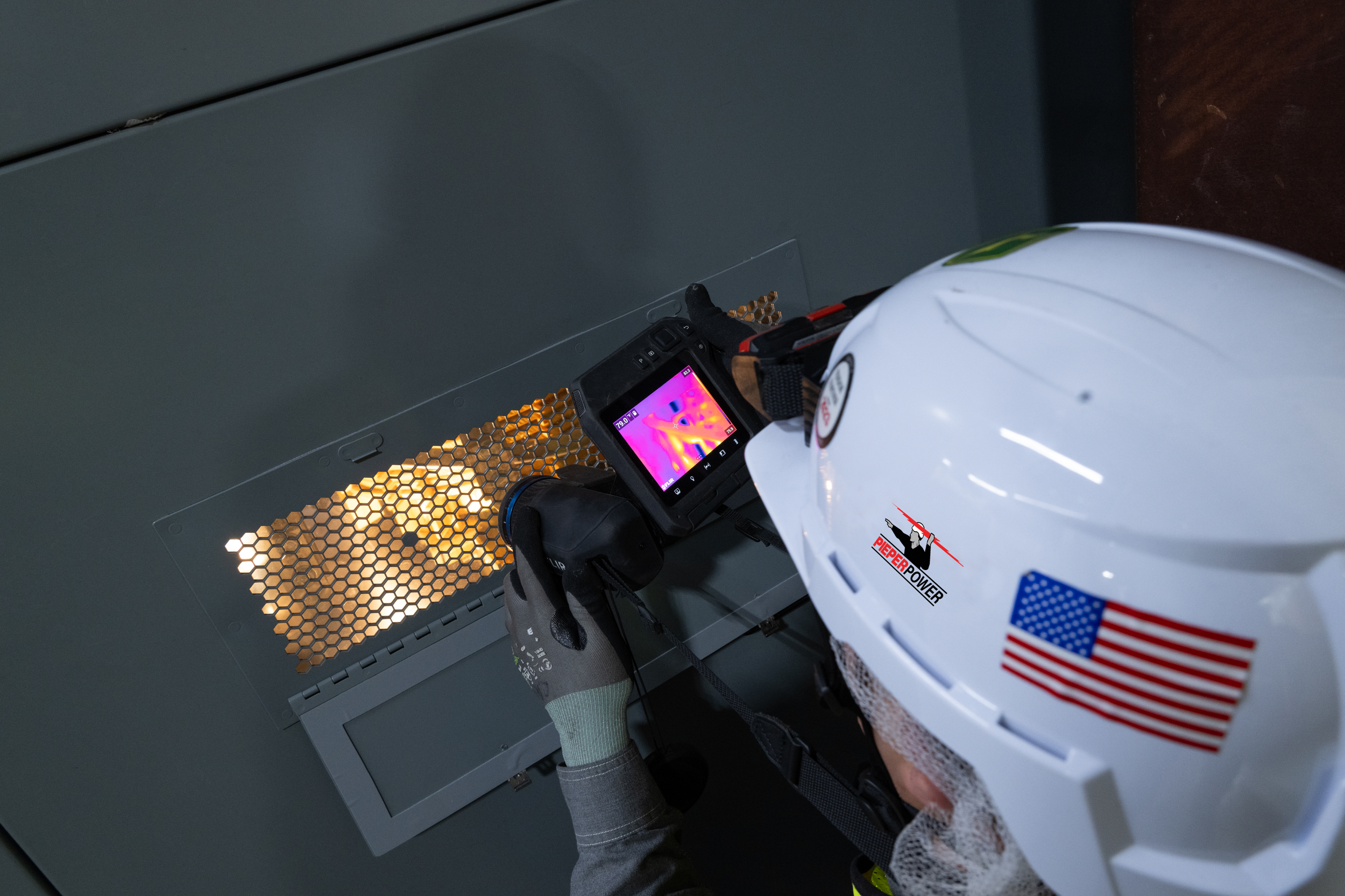
Routine inspections, preventive maintenance programs, and regular evaluations of electrical equipment can help uncover concerns that might otherwise go unnoticed. While battery-powered devices are one consideration, they are only part of a larger electrical safety strategy that should include distribution equipment, panels, connections, and critical power systems.
How PieperPower Can Help
Fire prevention extends far beyond a single week on the calendar. For many organizations, it begins with understanding the condition of their electrical systems and having a strategy to maintain them.
PieperPower helps facility owners and managers improve reliability, safety, and operational performance through:
Preventive electrical maintenance programs
Troubleshooting and corrective repairs
Electrical equipment inspections and assessments
Electrical equipment testing services
Ongoing Building Services & Maintenance support
Our team works alongside facility personnel to identify potential issues, improve system reliability, and support a safer environment for employees and occupants.
Fire Safety Is an Everyday Responsibility
Fire Prevention Week serves as an important reminder that effective safety programs are built on proactive habits, not reactive responses.
Whether evaluating charging practices, reviewing maintenance procedures, or assessing the overall condition of your electrical infrastructure, small improvements made today can help reduce risk tomorrow. For facility managers, the goal is simple: create an environment where safety, reliability, and operational continuity work together.
At PieperPower, we're committed to helping facilities achieve all three.